
 Canada EN
 Mexico ES
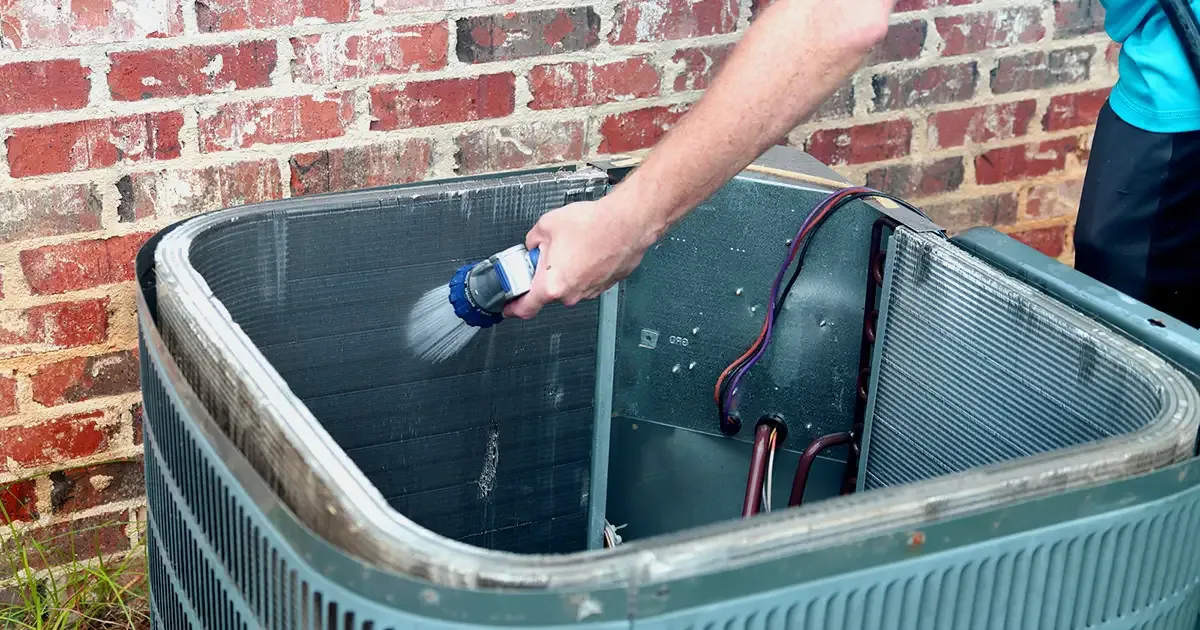
Table of Contents:
What Are AC Coils | Importance of Cleaning | How to Clean AC Coils | Step-by-Step | Knowing When | Monitoring | Conclusions
As the summer heat ramps up, ensuring your air conditioner (AC) is operating efficiently becomes crucial for maintaining comfort indoors. One of the key maintenance tasks that often gets overlooked is cleaning the AC condenser coils. Over time, these coils accumulate dirt, dust and debris, which can significantly impair the efficiency of your cooling system and even lead to a system breakdown. Learning how to clean AC coils properly can not only enhance cooling performance but also extend the life of your AC unit.
This article will walk through the basic functions of AC coils, how to clean AC coils, choosing the right coil cleaner, and understanding the differences between foaming and non-foaming cleaners.
What Are AC Condenser Coils?
AC condenser coils are part of the outdoor unit of your air conditioning system and play a pivotal role in the cooling process. They release the heat absorbed from your home to the outside, allowing the refrigerant to cool down and return inside to absorb more heat. Over time, dirt, dust and debris builds up on the coils and reduces their ability to transfer heat. This results in reduced cooling efficiency, increased energy consumption, and potential strain on the compressor—leading to higher utility bills and a shorter lifespan for your AC unit.
Importance of Clean Condenser Coils
- Efficiency: Clean coils transfer heat more effectively, making your AC system work less to cool your home.
- Energy Savings: Improved efficiency means your AC uses less energy, lowering your utility bills.
- Longevity: Regular maintenance prevents strain on the system, extending its lifespan.
- Air Quality: Clean coils reduce the risk of mold and mildew growth, improving indoor air quality.
How to Clean AC Coils
Maintaining clean AC coils is essential for ensuring your air conditioning system operates efficiently and effectively. Dirty coils can lead to reduced cooling performance, higher energy bills, and potential system failures.
By following these steps and using the right tools and materials, you can keep your AC coils in top condition and enjoy a comfortable indoor environment throughout the year.
Tools and Materials Needed
- AC coil cleaner (foaming or non-foaming)
- Soft brush
- Garden hose with spray nozzle
- Safety goggles and gloves
- Screwdriver or nut driver
- Vacuum cleaner with soft brush attachment (optional)
- Fin comb (optional, for straightening bent fins)
- Protective gloves and goggles
Foaming AC Coil Cleaners

Pros:
- Extended Dwell Time: Foaming cleaners adhere to the coils and expand upon application, allowing them to stay in contact with the surface for a longer period. This extended dwell time helps effectively dissolve and lift stubborn dirt, grime and debris.
- Increased Penetration: The foam can penetrate deep into the coil fins and other hard-to-reach areas, ensuring thorough cleaning even in intricate coil structures.
- Reduced Manual Scrubbing: The foam action often eliminates the need for extensive manual scrubbing, saving time and effort.
- Visual Verification: The foam provides a visual indication of where the cleaner has been applied, ensuring comprehensive coverage and helping track the cleaning progress.
- Ideal for Vertical Coils: For coils positioned vertically (such as in the outdoor condenser unit), foaming cleaners cling to the surfaces better without running off as quickly as non-foaming cleaners.
Cons:
- Potential Residue: Some foaming cleaners may leave a residue after rinsing, which could require additional rinsing or wiping to remove completely.
- Application Limitations: Due to the expansion of the foam, these cleaners are sometimes more difficult to use in tight or confined spaces.
Non-Foaming AC Coil Cleaners
Pros:
- Quick Rinse-off: They rinse off easily without leaving behind significant residue, making them convenient for routine maintenance tasks.
- Gentle on Coils: Non-foaming cleaners are generally gentler on coil materials, reducing the risk of damage during cleaning.
- Controlled Application: Non-foaming cleaners allow for precise application and are easier to control, especially in confined or sensitive areas.
Cons:
- Limited Dwell Time: Since they do not expand into foam, non-foaming cleaners have a shorter dwell time on the coils, which may require more frequent reapplication for stubborn buildup.
- Less Effective on Heavy Buildup: They may not be as effective as foaming cleaners for coils with heavy dirt or grease accumulation, requiring more effort and multiple applications.
- May Require More Effort: Cleaning with non-foaming cleaners may involve more scrubbing or agitation to achieve thorough cleaning, especially for heavily soiled coils.
By assessing your specific cleaning needs and considering these factors, you can choose the right AC coil cleaner to ensure efficient operation and longevity of your air conditioning system.
CRC® Foaming Coil Cleaner is an industrial strength cleaner that dissolves grease, oil and sludge from air conditioning and refrigeration coils. Its low-odor formula does not require rinsing in most coil cleaning applications, making it a top choice in foaming coil cleaners.
Step-by-Step Process for Cleaning AC Condenser Coils

Cleaning your AC condenser coils is a crucial maintenance task that can significantly improve the efficiency and lifespan of your air conditioning unit. By following these step-by-step instructions, you can ensure that your AC system operates at peak performance. Providing you with reliable and efficient cooling throughout the hot summer months. Let's dive into the process of cleaning your AC condenser coils safely and effectively.
Step 1: Turn Off the Power
Before starting the cleaning process, shut off the power to your AC unit at the thermostat and circuit breaker to prevent any accidents or electrical shocks. Make sure to wear protective gloves and safety goggles.
Step 2: Remove the Outer Cover
Using a screwdriver or nut driver, remove the screws holding the outer cover or grille of the unit. Carefully lift off the cover to expose the condenser coils.
Step 3: Inspect the Coils
Check the coils for visible dirt, debris, and damage. Use a fin comb to straighten any bent fins to ensure proper airflow.
Step 4: Apply the AC Coil Cleaner
Application:
- Follow the manufacturer's instructions on the coil cleaner.
- Spray the AC coil cleaner generously onto the coils. Ensure thorough coverage, especially in areas with heavy buildup.
- For foaming cleaners, spray the cleaner evenly on the coils and let it sit for the recommended time.
- For non-foaming cleaners, apply the solution and use a soft brush or fin comb to gently scrub the coils and fins. Be careful not to bend the delicate fins, as this could restrict airflow and reduce efficiency.
Step 5: Rinse the AC Coils
After the cleaner has had time to work, use a garden hose with a spray nozzle to rinse off the coils. Spray from the inside out to avoid pushing dirt further into the coils. Ensure all cleaner and debris are thoroughly washed away.
Step 6: Inspect and Reassemble the Air Conditioning Unit
Inspect the coils for any remaining dirt or buildup. If necessary, repeat the cleaning process. Once the coils are clean and dry, reattach the outer cover or grille using the screws you removed earlier. Ensure everything is securely in place.
Step 7: Restore Power and Test the Unit
Turn the power back on at the breaker box and thermostat. Run the air conditioner to check for proper operation and improved cooling performance.
How to Know When It's Time to Clean AC Coils
Keeping your AC coils clean is vital for maintaining the efficiency and performance of your air conditioning system. Dirty coils can lead to a range of issues, from reduced cooling capacity to higher energy bills. By recognizing the signs that indicate it's time to clean your AC coils, you can ensure your system runs smoothly and effectively.
Let's explore the key indicators and best practices for maintaining clean AC coils.
Signs That AC Coils Need Cleaning
- Reduced Cooling Efficiency: If your AC isn't cooling as effectively as it used to, dirty coils might be hindering heat transfer, reducing overall efficiency.
- Increased Energy Bills: A sudden spike in energy bills without a change in usage patterns could indicate that your AC is working harder due to dirty coils.
- Longer Cooling Cycles: If your AC runs for longer periods without reaching the desired temperature, the coils might be dirty and unable to dissipate heat efficiently.
- Ice Formation: Ice buildup on the coils is a clear sign of dirty coils. This occurs when dirt and debris restrict airflow, causing the coils to get too cold.
- Unusual Noises: If you hear strange noises coming from your AC unit, such as rattling or hissing, it might indicate airflow issues due to dirty coils.
- Visible Dirt and Debris: A visual inspection revealing dirt, dust or debris on the coils is an obvious indication that cleaning is needed.
- Unpleasant Odors: Foul or musty odors coming from the AC unit can result from mold and mildew growth on dirty coils.
Regular Maintenance Schedule
Even if you don't notice the signs mentioned above, it's essential to adhere to a regular maintenance schedule.
- Annual Inspection: Schedule a professional inspection at least once a year, ideally before the cooling season begins.
- Routine Cleaning: For residential units, clean the coils at least once a year. For commercial units or in areas with high dust and pollen levels, consider cleaning 2-4 times a year.
Best Practices for Monitoring AC Coils
- Regular Visual Inspections: Periodically check the coils for visible dirt and debris. This can help you catch issues early before they affect performance.
- Monitor Performance Metrics: Keep an eye on energy bills, cooling efficiency and the duration of cooling cycles. Any deviations from the norm can indicate dirty coils.
- Listen to Your AC: Pay attention to any unusual noises or changes in the sound of your AC unit. These can be early warning signs of airflow problems.
- Check Air Filters: Dirty air filters can lead to dirty coils. Regularly check and replace air filters to prevent dirt from reaching the coils.
Conclusions on How to Clean AC Coils
Cleaning AC coils is essential for maintaining the efficiency and longevity of an air conditioning system. Regular cleaning not only improves cooling performance but also helps lower energy costs and prevent premature system failure. Proper coil maintenance ensures optimal airflow, better indoor air quality, and extends the lifespan of the AC unit.