
 Canada EN
 Mexico ES
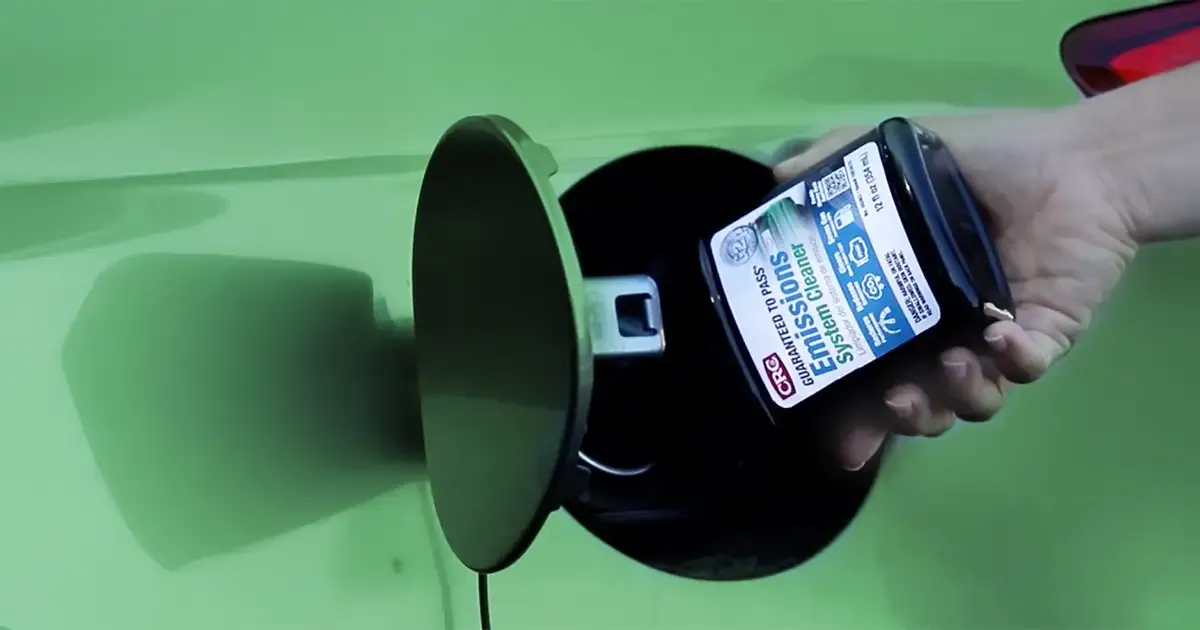
Table of Contents:
What Is a Catalytic Converter? | What Does a Catalytic Converter Do? | How a Cleaner Improves Performance | Symptoms of a Bad or Clogged Catalytic Converter | How to Clean a Catalytic Converter | How to Prevent a Clogged Catalytic Converter | Catalytic Converter Replacement Cost | Final Thoughts
Keeping your catalytic converter clean offers clear benefits for both performance and long-term vehicle health. Regular cleaning helps break down carbon and residue buildup that can restrict exhaust flow, allowing the engine to run more efficiently and smoothly. By restoring proper emissions function, a clean catalytic converter can improve fuel economy, reduce harmful exhaust output and help prevent expensive repairs or replacements down the road. This maintenance step is especially valuable for high-mileage vehicles, where routine cleaning can noticeably extend the life of the emissions system and maintain consistent performance.
What Is a Catalytic Converter?
A catalytic converter is a key component of your vehicle's exhaust system. It's a metal canister positioned between the engine and the muffler. Inside the canister is a honeycomb-like structure coated with precious metals such as platinum, palladium and rhodium. These metals act as catalysts, meaning they trigger chemical reactions without being consumed themselves. As exhaust gases pass through the converter, these reactions transform harmful pollutants into safer emissions before they exit the tailpipe. This makes the catalytic converter essential not only for vehicle performance but also for environmental protection.
What Does a Catalytic Converter Do?
The catalytic converter's primary job is to reduce the toxicity of exhaust gases. It does this by breaking down three major pollutants: carbon monoxide, nitrogen oxides and unburned hydrocarbons. As exhaust flows through the converter, the catalyst materials initiate reactions that convert these harmful substances into carbon dioxide, nitrogen, oxygen and water vapor. This process helps vehicles meet emissions standards and reduces the environmental impact of everyday driving. Without a functioning catalytic converter, emissions would be significantly more harmful and could lead to legal and mechanical issues.
How a Catalytic Converter Cleaner Improves Performance
When carbon deposits accumulate inside the catalytic converter, they restrict exhaust flow and reduce the converter's ability to process emissions efficiently. A catalytic converter cleaner such as CRC Guaranteed To Pass® Emissions System Cleaner breaks down carbon deposits throughout the exhaust and emissions system.
It's designed to clean the catalytic converter, oxygen sensors and other emissions-related components that can contribute to elevated emissions levels. Drivers often notice improved acceleration, reduced engine hesitation and better fuel efficiency. In some cases, a cleaner can even help resolve emission-related trouble codes such as P0420 or P0430 by restoring catalytic efficiency.
Symptoms of a Bad or Clogged Catalytic Converter
A failing catalytic converter can cause a range of performance issues, including:
- Check Engine Light (commonly P0420/P0430) is often triggered by oxygen sensor readings that indicate poor catalytic efficiency.
- Reduced engine power or sluggish acceleration as the exhaust system becomes restricted.
- Poor fuel economy as the engine struggles to maintain proper combustion.
- Rattling noises from the exhaust caused by broken internal components.
- Sulfur/rotten egg smell from unprocessed exhaust gases.
- Failed emissions test.
These symptoms occur when carbon buildup or internal damage prevents proper exhaust flow and should be addressed promptly to avoid further damage.
How to Clean a Catalytic Converter
If your catalytic converter is showing signs of clogging, the good news is that cleaning it doesn't always require a trip to the mechanic. Depending on the severity of the buildup, you may be able to restore performance with a simple fuel additive or, in more stubborn cases, a manual cleaning by a professional. Here are the two main methods to consider.
There are two main methods:
1. Using a Catalytic Converter Cleaner (Recommended First Step)
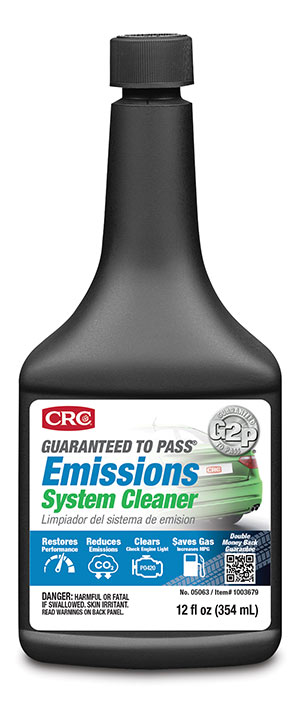
The simplest and most cost-effective method is to use a fuel additive such as CRC Guaranteed To Pass® Emissions System Cleaner. This method is ideal for mild to moderate clogging as it can often restore performance without requiring mechanical intervention.
Steps for Using a Catalytic Converter Cleaner
- Add one entire bottle of CRC Guaranteed To Pass® Emissions System Cleaner to about a half-full fuel tank.
- Drive normally for about 20–40 miles to allow the cleaner to circulate through the engine and exhaust, gradually dissolving buildup.
- Afterwards, fill the tank completely.
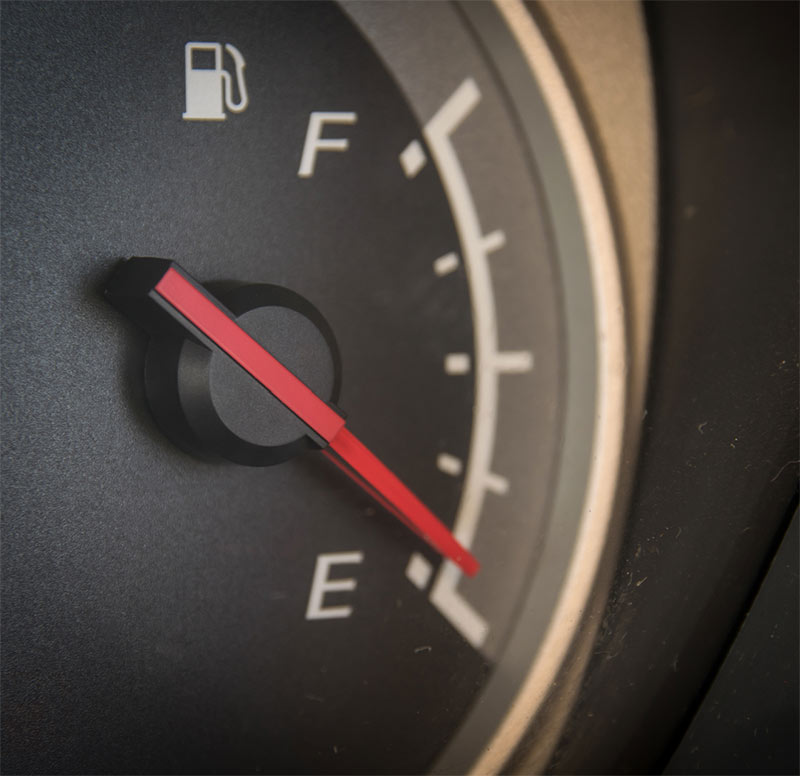
- Drive the vehicle normally until the tank is nearly empty (1/8 full).
- Refill the gas tank and take the vehicle for an emissions test (if applicable).
2. Physical Removal and Manual Cleaning
For more severe clogging, a professional mechanic may need to remove the catalytic converter and clean it manually.
Steps for Manual Cleaning
- Remove the converter from the exhaust system.
- Soak the converter in a degreasing solution.
- Flush with high-pressure air or water to clear debris.
While this method can be effective, it is more labor-intensive and may not help if the converter is physically damaged or melted internally. In such cases, replacement is the only viable option.
How to Prevent a Clogged Catalytic Converter
Preventing catalytic converter problems starts with good engine maintenance. Here are a few steps to take to preserve catalytic converter performance.
- Ensure that your spark plugs, ignition coils and oxygen sensors are in good condition to maintain proper combustion, which reduces the amount of unburned fuel entering the exhaust system.
- Address engine misfires quickly. This is crucial because unburned fuel can overheat and damage the converter.
- Use high-quality fuel and avoid excessive idling to help minimize carbon buildup.
- Incorporate a catalytic converter cleaner into your maintenance routine to further reduce the risk of clogging and extend the life of the converter. This is especially true for high-mileage vehicles. Use 4 times per year to maintain a healthy fuel/emissions system.
Catalytic Converter Replacement Cost
Replacing a catalytic converter can be one of the most expensive exhaust system repairs. Standard vehicles typically require $900 to $2,500 for parts and labor, while larger vehicles like SUVs and trucks can cost between $1,500 and $3,500. High-end or specialty vehicles may exceed $3,000 due to the use of more expensive catalyst materials. Because of these high costs, many drivers choose to try catalytic converter cleaners first, as they offer a low-risk and affordable alternative that may resolve the issue without replacement.
Final Thoughts on Cleaning Catalytic Converters
Keeping your catalytic converter clean is a smart, preventative approach to maintaining your vehicle's emissions system and avoiding unnecessary repair costs. By addressing carbon buildup early, a quality cleaner can help restore catalytic efficiency, improve drivability and increase the likelihood of passing an emissions test, especially on higher mileage vehicles.
While a cleaner cannot fix physical damage, it serves as an affordable first step before considering the high cost of catalytic converter replacement. When used as directed, products like CRC Guaranteed To Pass® Emissions System Cleaner offer drivers a practical way to support emissions performance, reduce bad catalytic converter symptoms and keep their vehicle running cleaner and more efficiently.