
 Canada EN
 Mexico ES

Table of Contents:
Recognizing the Symptoms | Why Cleaning Matters | Step-by-Step Guide | Extra Tips | Mistakes to Avoid | How Often Should You Clean? | Technical Difficulty Level | Final Thoughts
The mass air flow sensor (MAF sensor) is a small but critical component in modern vehicles. Positioned between the air filter and the throttle body, it measures the amount of air entering the engine and sends this data to the engine control module, or ECM. (Some manufacturers refer to it as an ECU or PCM). The ECM then adjusts fuel injection accordingly, ensuring the proper air-fuel mixture for combustion. When the MAF sensor becomes dirty or contaminated, it can no longer provide accurate readings, leading to performance issues. Fortunately, cleaning the sensor is a simple maintenance task that can restore your car's efficiency and drivability.
Recognizing the Symptoms of a Dirty MAF Sensor
A dirty MAF sensor often announces itself through subtle but frustrating changes in vehicle performance. Drivers may notice a decline in fuel economy, as the ECM compensates for incorrect airflow readings by injecting more fuel than necessary. The engine may idle roughly, stall unexpectedly or hesitate when accelerating. In some cases, the car may struggle to start. A check engine light is another common indicator, often triggered by MAF sensor performance codes. While these symptoms are related to the MAF sensor, they could be caused by other sensors or related issues. If you experience these symptoms, ensuring the MAF sensor is clean and good diagnostic starting point.
Why Cleaning the MAF Sensor Matters
Cleaning the MAF sensor offers several benefits. It restores accurate airflow readings, allowing the ECM to maintain the correct air-fuel ratio. This translates into smoother acceleration, improved fuel efficiency and reduced emissions. Regular cleaning also extends the lifespan of the sensor, sparing you the expense of replacement. Most importantly, it prevents misdiagnosis as many engine problems that appear serious are simply the result of a dirty sensor. A quick cleaning can save hours of troubleshooting and hundreds of dollars on unnecessary repairs.
Step-by-Step Guide to Cleaning a Mass Airflow Sensor
1. Tools & Materials Required
- Screwdriver or socket set (depending on your vehicle)
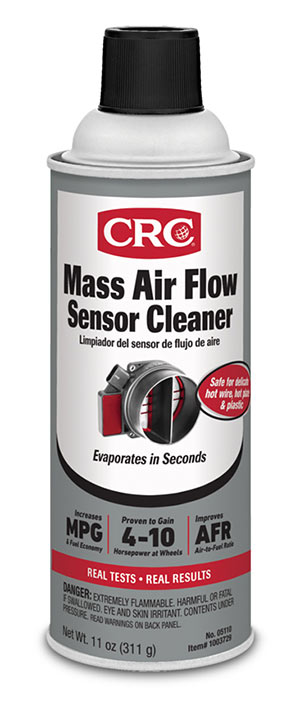
- Mass Air Flow Sensor Cleaner: CRC Mass Air Flow Cleaner is widely regarded as the industry standard and was the first product specially formulated to clean mass air flow sensors.
- Safety goggles and gloves
- Flashlight to help see in tight spaces
2. Locate the Mass Air Flow Sensor
The MAF sensor is usually found in the intake tubing between the air filter box and the throttle body. It may look like a small plastic housing with an electrical connector attached. Consult your vehicle's manual if you're unsure — placement can vary slightly by make and model. Before cleaning the MAF sensor, ensure that the engine is off and the keys are out of the ignition.
3. Disconnect the Electrical Connector
Carefully unplug the sensor's wiring harness. Most connectors have a locking tab that must be pressed or lifted before removal. Grip the connector body and avoid pulling on the wires to prevent damage.
4. Remove the MAF Sensor
Using the appropriate screwdriver or socket, loosen the screws or bolts securing the sensor. Some vehicles use Torx screws, so check your tool set. Gently slide the sensor out of the housing. Handle it by the plastic body, making sure not to touch the delicate sensing elements inside.
5. Inspect the Sensor
Take a moment to visually inspect the sensor. You may notice dust, oil residue or grime on the thin wires or film. This buildup is what interferes with accurate airflow readings. Do not attempt to wipe or scrape the sensor — it is extremely fragile.
6. Apply Mass Air Flow Sensor Cleaner
- Hold the sensor over a clean surface.
- Place a shop towel under the MAFS to catch any run-off.
- Spray CRC Mass Air Flow Cleaner directly onto the hot wires or hot plate in short bursts.
- Apply 10–15 sprays, ensuring all sides of the wires or film are covered. Keep the spray nozzle about 4–6 inches away to avoid excessive pressure, ensuring not to contact hot wires with straw or any other object.
- Rotate the sensor gently in your hand to reach different angles, making sure to spray all wires and connectors.
7. Allow to Dry
Place the sensor on a clean paper towel or cloth in a safe area. Let it air-dry completely. Do not use compressed air, hair dryers or cloths to speed up drying as these can damage the sensor or leave fibers behind.
8. Reinstall the Mass Air Flow Sensor
Once dry, carefully slide the sensor back into its housing. Tighten the screws or bolts snugly, but avoid overtightening, which can crack the plastic. Reconnect the electrical connector until it clicks into place. Confirm the check engine light has turned off (if it was triggered by the dirty sensor). Certain vehicles and codes may require a tool to remove the code and clear the light.
Extra Tips
- Work in a well-ventilated area
- Keep the cleaner can upright to ensure proper spray pressure.
- Dispose of used towels properly according to local, state and federal regulations.
Mistakes to Avoid
While cleaning is simple, there are pitfalls to avoid. Never use carburetor cleaner, brake cleaner or household solvents, as these can leave residues or damage the sensor. Do not attempt to wipe the sensor with cotton swabs or cloths, and avoid compressed air, which can break the delicate wires. Reinstalling the sensor before it is fully dry can cause short circuits. Patience and the right products are key to success.
How Often Should You Clean the Mass Air Flow Sensor?
The ideal cleaning interval depends on driving conditions. For most vehicles, cleaning once a year or each time your air filter is replaced is sufficient. Drivers in dusty environments or those using aftermarket air filters may need to clean more frequently. If symptoms appear, don't wait for the next scheduled interval. Clean the sensor immediately to prevent further issues.
Technical Difficulty Level
Cleaning a MAF sensor is considered a beginner-level DIY task. It requires only basic tools, a can of cleaner and careful handling. The entire process takes 15 to 30 minutes and costs less than $20. For those new to car maintenance, it's an excellent introduction to DIY vehicle care.
Final Thoughts on Cleaning Mass Air Flow Sensors
The mass air flow sensor may be small, but its role in engine performance is enormous. A dirty sensor can mimic serious mechanical problems, yet the solution is often as simple as a quick cleaning. By recognizing the symptoms, using the right products, and following best practices, you can restore your vehicle's efficiency, save money on fuel and avoid unnecessary repairs. For anyone looking to keep their car running smoothly, cleaning the MAF sensor is one of the most rewarding maintenance tasks you can perform.