
 Canada EN
 Mexico ES
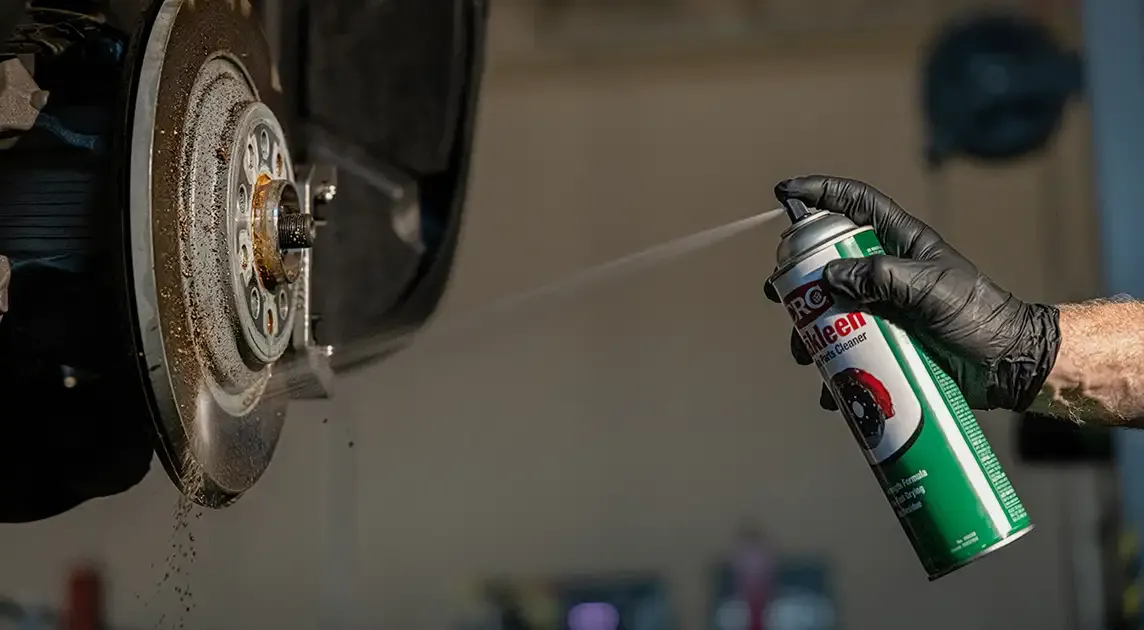
Table of Contents:
What's in Brake Cleaner? | How Does it Work? | Why It's a Go-To | Why It's Important | How to Use | FAQs and Misuses | As Starting Fluid? | As Carb Cleaner? | As Throttle Body Cleaner? | Use on Rotors? | Clean Spark Plugs? | Clean MAF Sensor? | To Kill Wasps? | Final Thoughts
When it comes to keeping your brake system in top shape, few tools are as essential—or as underrated—as brake cleaner. This high-powered aerosol solution is specifically designed to remove grease, oil, brake dust, and other contaminants from brake components without leaving behind any residue. Whether you're a seasoned mechanic or a weekend DIYer, understanding what brake cleaners, like CRC® Brākleen®, does—and why it matters—can make all the difference in maintaining safe, responsive braking performance.
What's Actually in Brake Cleaner?
Usually found in pressurized cans, brake cleaner comes in two main formulas: chlorinated and non-chlorinated. Both are designed to do the same job—dissolve anything that doesn't belong on your brake components.
- Chlorinated solvents (like perchloroethylene or methylene chloride): These are the old-school heavy hitters—super effective but require a bit more care when using them.
- Non-chlorinated solvents (like acetone, heptane, and isopropyl alcohol): These are the newer formulas designed to meet the needs of users who live in areas that restrict chlorinated options. They still pack a punch and dry even faster than their chlorinated cousins.
How Do Brake Cleaners Work?
Brake cleaner doesn't just clean—it obliterates grime with a three-step process to clean brake rotors, calipers brake pads and drums.
Solvency
The active chemicals in brake cleaner dissolve oils, greases, brake fluid and other contaminants that accumulate on brake parts.
Displacement
The high-pressure spray physically dislodges and flushes away loosened debris. It's especially effective at reaching into tight areas like caliper brackets, rotor vents and other hard-to-clean spots.
Evaporation
One of brake cleaner's key advantages is its rapid evaporation. Once applied, it dries almost instantly, leaving no residue behind. This ensures that cleaned surfaces are ready for immediate reassembly and won't interfere with brake performance.
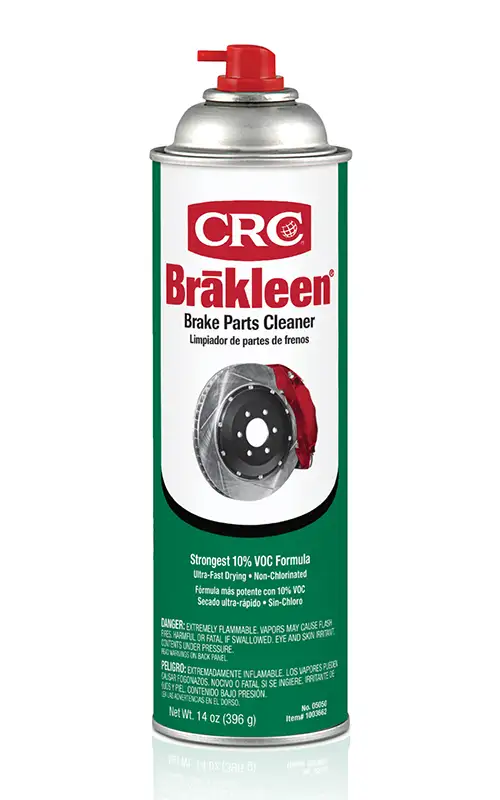
Why It's a Go-To in the Garage
- No residue: Ensures clean, reliable contact between pads and rotors.
- Non-conductive: Safe to use around electrical components (they are not plastic safe so avoid overspray on plastic surfaces).
- Fast drying: Reduces downtime during brake service.
- Deep penetration: Reaches into areas that are difficult to clean manually.
Brake cleaner is a staple in any well-equipped garage for good reason—it's efficient, effective, and purpose-built for the job. It dissolves and flushes away contaminants without requiring scrubbing or rinsing.
Why It's Important to Clean Your Brakes
Cleaning your car's brakes is a crucial part of regular vehicle maintenance that directly impacts both safety and performance. Over time, brake components accumulate dust, dirt, and debris—especially from the brake pads themselves, which shed material during normal operation.
If left uncleaned, this buildup can reduce braking efficiency, cause uneven wear on the brake pads and rotors, and even lead to brake noise or vibration. Regular cleaning helps ensure that your braking system functions smoothly and reliably, especially in emergency situations where optimal performance is critical.

In addition to safety, cleaning your brakes can extend the lifespan of the braking system. Corrosion is a common issue, particularly in areas with high humidity or where road salt is used during winter. Moisture and contaminants can cause rust to form on the rotors and calipers, which may lead to costly repairs or replacements. By keeping the brake components clean, you can help maintain the integrity of the system over time.
Finally, clean brakes contribute to a more pleasant driving experience. Squealing or grinding noises often result from dirty or contaminated brake parts. These sounds can be annoying and may also signal underlying issues that could worsen if ignored. Regular cleaning not only prevents these nuisances but also gives you a chance to inspect the brakes for wear and tear, allowing for timely maintenance before problems escalate.
How to Use Brake Cleaner Safely and Effectively
Safety First
- Work in a well-ventilated area – It's important when working with any cleaning product to be in a well-ventilated space.
- Wear protective gear – Use gloves and safety goggles to protect your skin and eyes.
- Avoid open flames – Most brake cleaners are highly flammable.
- Read the label – Follow the manufacturer's instructions and warnings.
Application Steps
- Lift the vehicle and remove the wheel to access the brake components.
- DO NOT apply on hot surfaces or while equipment is energized.
- Protect all rubber brake parts, plastic parts, rims and painted surfaces from product and overspray.
- Wet down surfaces to be cleaned using short bursts of the brake cleaner at a distance of 18-24 inches. Avoid breathing any dust or vapors that may become airborne.
- After all surfaces have been coated, continue spraying to remove contaminants.
- Air dry or wipe with a clean cloth.
- Place a catch pan or absorbent material underneath to collect runoff.
- For heavy deposits, repeat application, as necessary.
- Reassemble the wheel and test the brakes before driving.
Brake Cleaner: FAQs and Misuses
Brake cleaner is a powerful solvent designed specifically for cleaning brake components. However, its strength and versatility often lead people to use it for tasks it was never intended for—sometimes with damaging results. Always use the right product for the job. When in doubt, consult your vehicle's service manual or a professional mechanic.
Here are some common misuses of brake cleaner with explanations as to why they should be avoided, along with recommendations for the correct product to use in each situation.
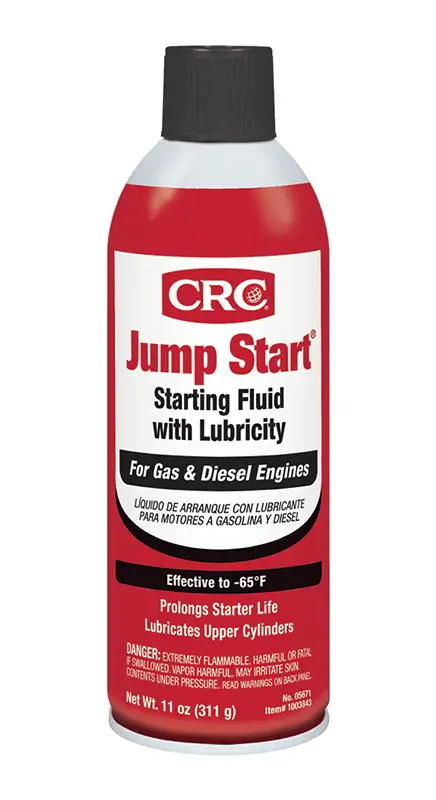
1. Can Brake Cleaner Be Used as Starting Fluid?
Answer: No.
Brake cleaner is not a safe substitute for starting fluid. While it may contain flammable components to help start engines, using it in this way is dangerous for several reasons:
- Engine damage: It lacks the lubricating properties of proper starting fluid.
- Fire hazard: Especially with non-chlorinated (flammable) formulas.
Use instead: A proper starting fluid designed for internal combustion engines. CRC Jump Start® Starting Fluid with Lubricity is the perfect starter fluid solution for starting diesel or gasoline-fueled engines.
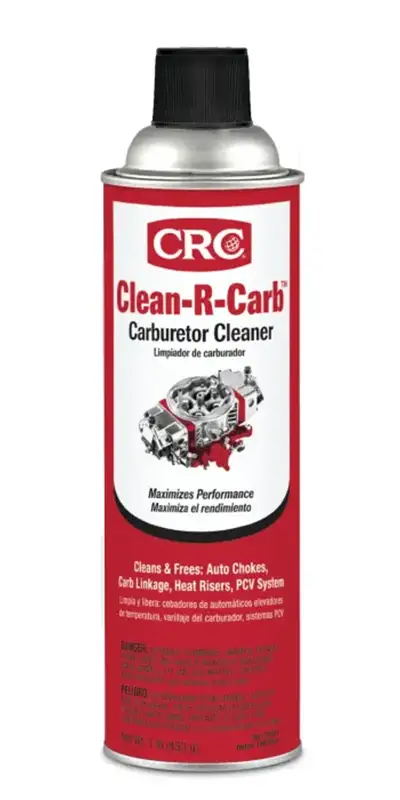
2. Can You Use Brake Cleaner as Carb Cleaner?
Answer: No.
Brake cleaner can dissolve varnish and grime, but:
- It may damage rubber seals and gaskets in carburetors.
- It evaporates too quickly to soak and loosen stubborn deposits.
- It may not be safe for aluminum or plastic components.
Use instead: A dedicated carburetor cleaner, such as CRC® Clean-R-Carb™ Carburetor Cleaner — an advanced carburetor cleaner specifically formulated to deliver fast-acting, powerful cleaning for your engine's vital parts. It effectively dissolves dirt, grime and buildup, ensuring optimal engine performance and fuel efficiency. It is also available in a low VOC formula - CRC® Clean-R-Carb™ Carburetor Cleaner (50 State Formula).
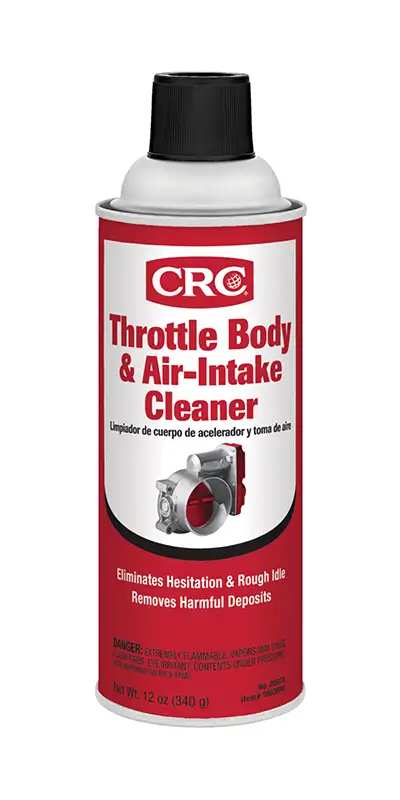
3. Can I Use Brake Cleaner to Clean a Throttle Body?
Answer: No.
Throttle bodies often contain delicate sensors and coatings that brake cleaner can damage. The aggressive solvents may:
- Strip protective coatings.
- Harm electronic throttle control components.
- Cause corrosion or residue buildup over time.
Use instead: A throttle body cleaner, which is safe for both electronic and mechanical throttle systems. CRC Throttle Body & Air-Intake Cleaner is great for tackling stubborn carbon, varnish, and gum build-up. It's safe for use in all fuel-injection system gasoline engines, whether throttle body, multi-port, or GDI.
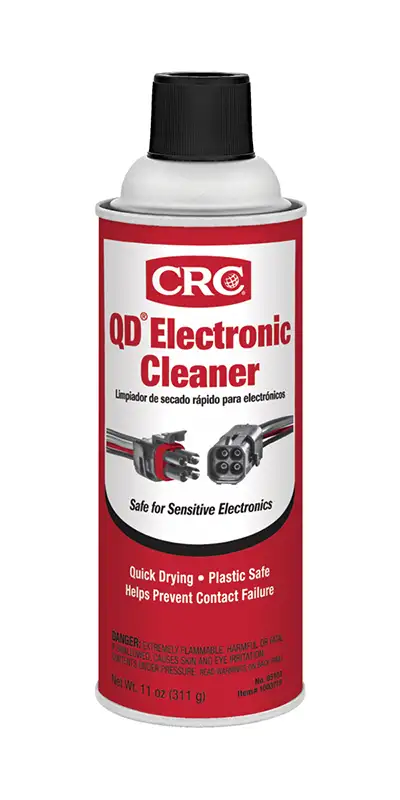
4. Can You Clean Spark Plugs with Brake Cleaner?
Answer: No.
Using brake cleaner on spark plugs might seem convenient, but it's not a safe or recommended practice. Here are a few reasons why:
- Brake cleaner contains harsh solvents that can degrade or crack the ceramic insulator on the spark plug, which is critical for proper spark containment and performance.
- The cleaner can also affect other sensitive electrical components connected to or near the spark plug.
- Brake cleaner is highly flammable. If not fully evaporated before the engine is started, it could pose a fire hazard.
Use instead: Use a cleaner formulated for use on electronics such as CRC QD® Electronic Cleaner is great for removing grime and oxidation from a spark plug's electrical contacts. For tough carbon deposits on the firing end of the plug, try using a wire brush.
5. Can You Spray Brake Cleaner on Rotors?

Answer: Yes, this is its intended use.
Brake cleaner is specifically designed to clean brake rotors, calipers, and pads. It removes:
- Grease
- Brake dust
- Manufacturing oils (on new rotors)
CRC Brākleen® Brake Parts Cleaner is the top brake cleaner for DIYers and professionals. It comes in a variety of chlorinated and non-chlorinated formulas and is perfect for ABS, brake discs, drums, cylinders, linings, calipers, shoes, clutch discs, pads and more.
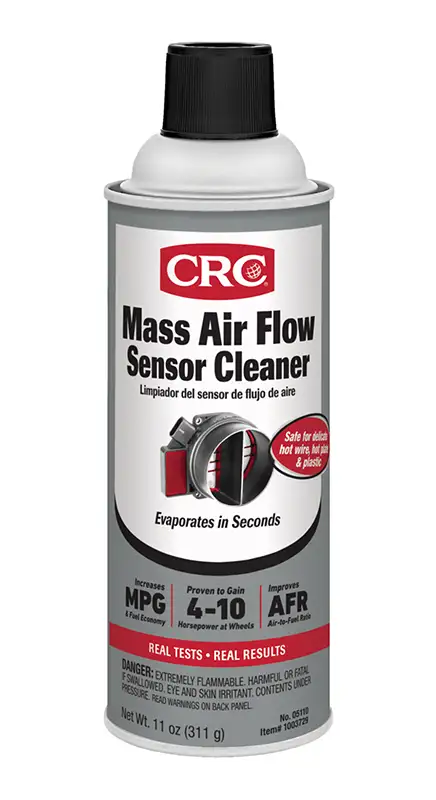
6. Can I Use Brake Cleaner to Clean a MAF Sensor?
Answer: No.
Mass Air Flow (MAF) sensors are extremely sensitive. Brake cleaner can:
- Damage the delicate sensing wires.
- Could affect hot wire readings.
- Cause sensor failure, leading to poor engine performance.
- Brake cleaners are not safe for use on plastic.
Use instead: A dedicated MAF sensor cleaner, which is non-residual and safe for electronics. CRC Mass Air Flow Sensor Cleaner was the first item on the market specially formulated to clean a car's mass air flow (MAF) sensor. This innovative cleaner removes power-robbing carbon deposits to increase horsepower, enhance fuel efficiency, and improve overall engine performance.
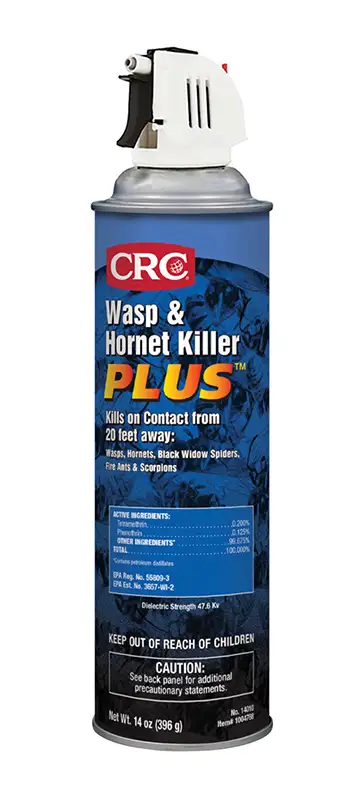
7. Can Brake Cleaner Kill Wasps?
Answer: No.
Some people use brake cleaner to kill wasps because of its instant knockdown effect. However:
- It's flammable, especially near grills, lights or engines.
- It is not designed for pest control. There are pesticides better suited for this need.
Use instead: A proper wasp spray or call a pest control professional. CRC Wasp & Hornet Killer Plus™ Insecticide is a powerful, fast-acting insecticide designed to eliminate wasps and hornets on contact.
Final Thoughts on What Brake Cleaners Do
Brake cleaner is an essential tool for automotive maintenance, especially for ensuring the safety and performance of your braking system. When used correctly, it can extend the life of your brake components and improve vehicle safety. However, it must be handled with care and used only for its intended purpose.